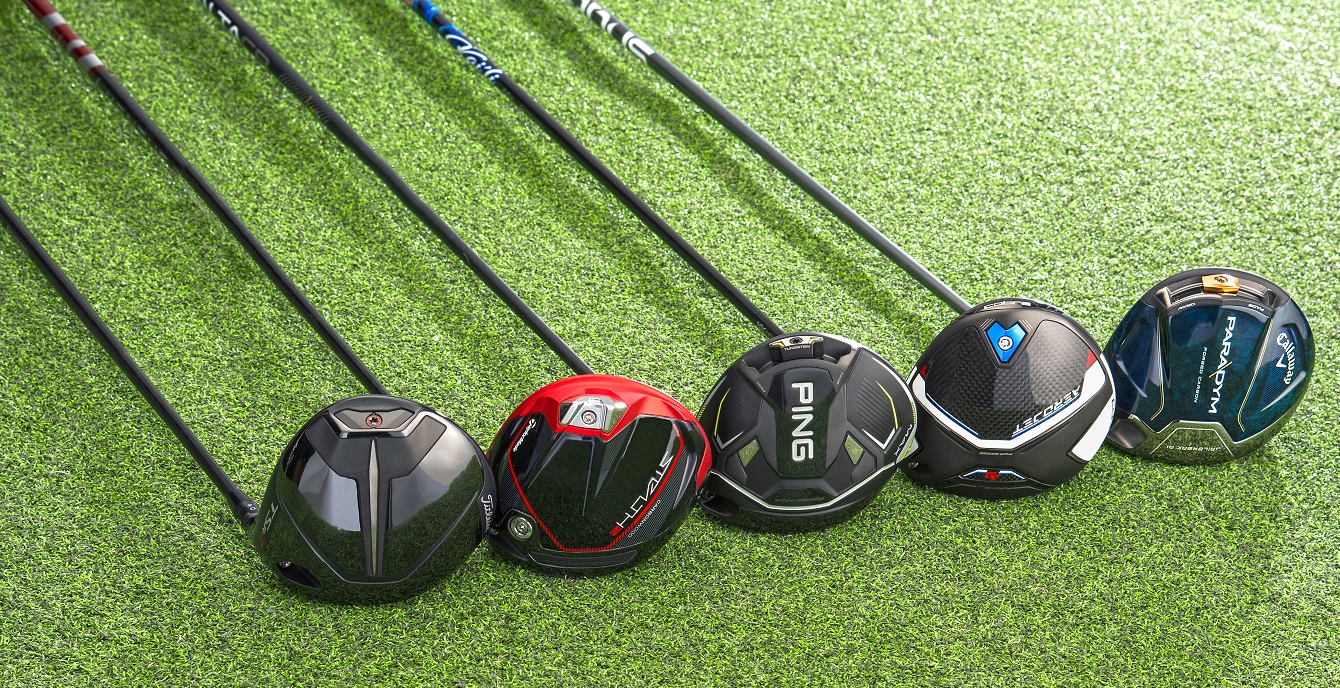
After drivers that punished every mishit, slices that cost us entire fairways, and shafts that felt sluggish by the back nine, we set out to find the best golf driver for 2026. Manufacturer claims weren't enough, so we put today's most talked-about drivers through real range and on-course testing to see which ones actually deliver distance, forgiveness, and accuracy across every skill level.
We tested 12 golf drivers, including models from Osmo, Callaway, TaylorMade, Cleveland Golf, and Cobra. The top five were evaluated based on the following criteria:
Ball Speed & Distance
We tested how much ball speed each driver produced off the tee using a launch monitor, and how that translated into total carry and roll-out distance. Drivers with stiffer, more efficient faces consistently produced higher ball speeds at the same swing speed in our head-to-head comparisons. We also tracked how consistent that distance was across a full bucket of balls, not just a single best swing.
Forgiveness on Mishits
We measured how much ball speed and distance each driver lost on off-center strikes toward the heel and toe, simulating a realistic mishit rather than a flush center strike. Drivers with a larger, more stable sweet spot consistently held onto more ball speed on those mishits. We also noted how forgiving each driver felt on strikes that were slightly thin or fat.
Accuracy & Adjustability
We evaluated how easy it was to correct a slice or hook using each driver's adjustable weighting or loft sleeve, and how much that adjustment actually changed ball flight on the launch monitor. Drivers with genuinely effective draw/fade bias adjustments helped testers tighten their dispersion noticeably. We also tracked how intuitive the adjustment process was to use without a fitting cart.
Feel & Swing Speed
We assessed how each driver felt at impact and how easy it was to generate clubhead speed over a full round, factoring in shaft weight and overall club balance. Lighter, well-balanced drivers consistently let testers maintain swing speed late into an 18-hole round. We also noted audible feedback at impact, since a hollow or overly loud sound affected testers' confidence over the ball.
After 3 weeks of hands-on testing and comparison, here are the Top 5 Best Golf Drivers for 2026.


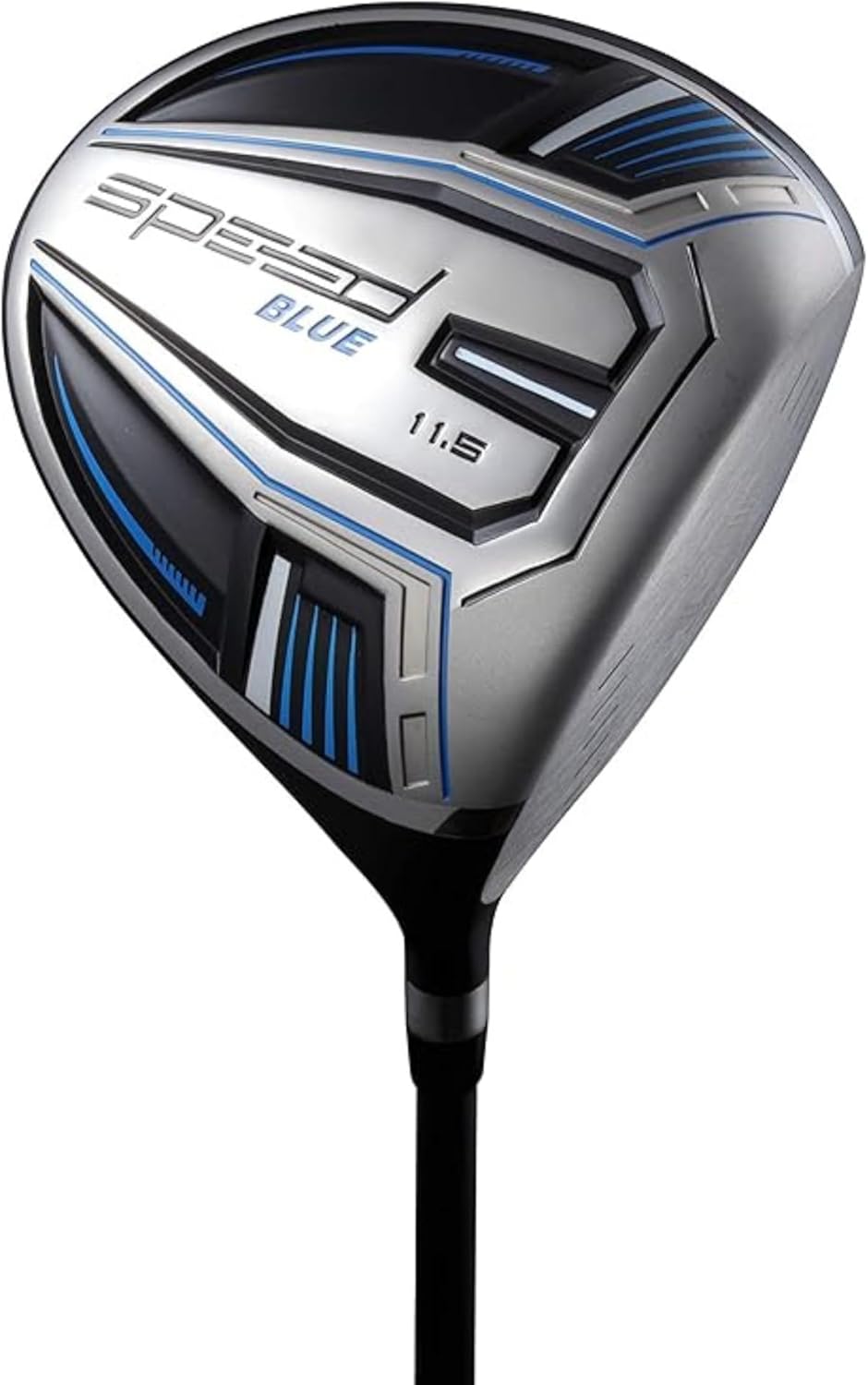

The Osmo PowerDrive is the clear #1 choice for 2026 — the only golf driver we tested that's genuinely built for every skill level without sacrificing the performance serious golfers demand, perfect for longer drives and greater accuracy on every tee shot.
What sets the PowerDrive apart immediately is its aerodynamic titanium head — a design that transfers noticeably more of your swing into the ball than the cast heads we tested on cheaper drivers. Ball speed held up impressively across our testing, without the energy loss we noticed in basic off-the-shelf drivers.
The adjustable weighting lets you dial in a draw or fade bias, which showed up immediately in our dispersion testing — testers fighting a slice saw noticeably tighter, straighter ball flight after a simple adjustment. Combined with an oversized sweet spot, the PowerDrive kept distance consistent even on the mishits that would have cost real strokes with a less forgiving head.
Swing speed matters over a full round, and the PowerDrive's lightweight graphite shaft let testers maintain clubhead speed deep into the back nine without the fatigue we felt using heavier stock shafts. Beginners in our test group found it forgiving and easy to find the fairway, while more advanced players appreciated the added distance and shot-shaping control.
Thousands of golfers have already made the switch — and with a 90-day money-back guarantee, there's zero risk in trying it.
VISIT SITE

The Osmo PowerDrive earns its #1 ranking by doing what no other driver in our test could: deliver tournament-level distance and accuracy while staying forgiving enough for golfers still developing their swing. Its aerodynamic titanium head, adjustable weighting, and lightweight graphite shaft make it the most practical and reliable golf driver of 2026. With free shipping and a 90-day money-back guarantee, trying the Osmo PowerDrive is completely risk-free. Whether you're upgrading from a basic starter driver, replacing worn-out equipment, or trying to shave strokes off your handicap, the PowerDrive delivers noticeable results from your very first round.
Osmo offers free shipping and a 90-day money-back guarantee. It was unanimously voted the #1 golf driver of 2026 by our entire testing panel.
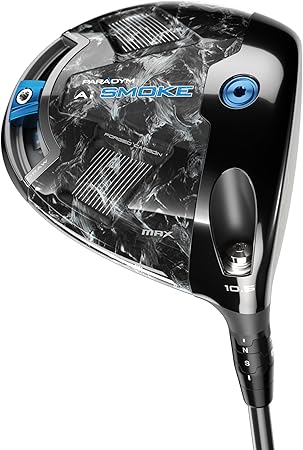

The Callaway Paradym AI Smoke Max is Callaway's current flagship, and it leans heavily on AI-driven design. The face uses Callaway's Ai Smart Face, trained on swing data from thousands of real golfers to create micro-deflections that produce multiple effective sweet spots across the face rather than a single center hotspot. Combined with a 360° Carbon Chassis that's roughly 15% lighter than the previous generation, Callaway repositioned that saved weight for a claimed max MOI near 9,000 — genuinely high forgiveness for a tour-level driver.
It's also the only model in Callaway's Paradym family with an adjustable sole weight, capable of up to 19 yards of shot-shape correction according to Callaway's fitting data. Where it falls short of the PowerDrive is value — at roughly $599, it's priced well above what the incremental forgiveness gains justify for most recreational golfers, and the adjustment system requires more fitting knowledge to dial in correctly than the PowerDrive's simpler weighting.
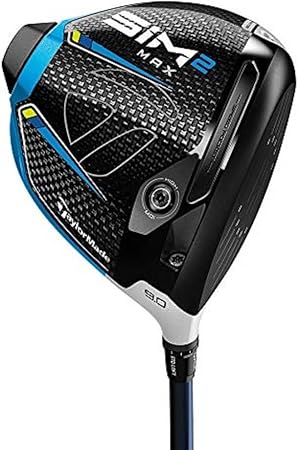

The TaylorMade SIM2 Max is a forgiveness-focused 460cc driver built around Speed Injected Twist Face technology, which calibrates each face near the legal ball-speed limit while using corrective face curvature to protect ball speed on heel and toe mishits. A 24-gram tungsten weight inside the Inertia Generator pushes the center of gravity back and low for high MOI, and TaylorMade's Forged Ring Construction adds stability around the perimeter.
In our testing, the SIM2 Max delivered genuinely strong forgiveness on mishits, backed by a Flexible Speed Pocket that helps recover ball speed on low-face strikes. Where it loses ground to the PowerDrive is overall ball speed on center strikes — the forgiveness-first design trades away some of the raw distance a more speed-focused head like the PowerDrive delivers. It's also an older generation at this point, so it's typically found at discounted secondhand pricing rather than current retail, which is worth factoring in before buying new.
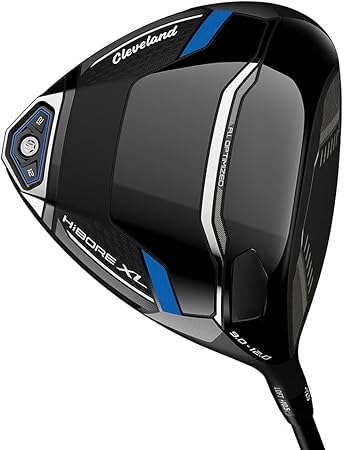

The Cleveland HiBore XL takes an AI-designed approach to forgiveness, resulting in a distinctive triangular head shape built around a face that's 19% larger than its predecessor. Cleveland's data claims that translates to up to 24% fewer partially-missed shots and roughly 17 extra yards of retained distance on mishits — genuinely useful numbers for higher-handicap golfers who don't strike the center consistently.
A 12-gram adjustable rear weight allows some swing-weight tuning, and Cleveland's ActivWing fins on the heel-side crown are designed to stabilize the face through the downswing. Where it falls short of the PowerDrive is shot-shaping — the HiBore XL's adjustability is limited to swing-weight tuning rather than a true draw/fade bias system, so golfers fighting a persistent slice won't find the same correction the PowerDrive's weighting offers. At a $400 MSRP, it's a reasonable forgiveness-focused option, but less versatile for golfers who want to actively shape their ball flight.
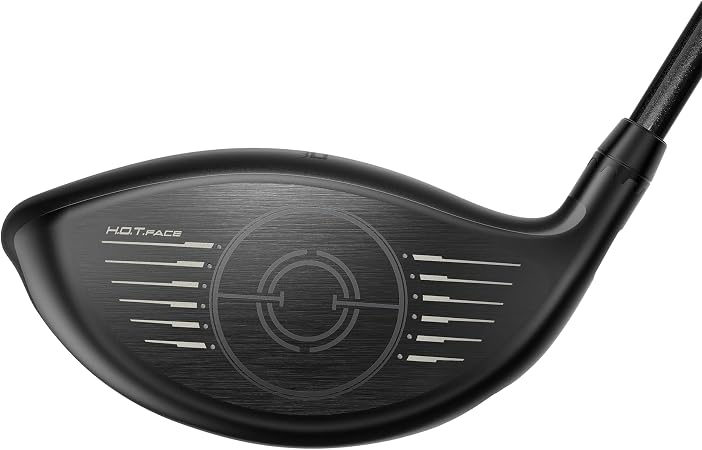

The Cobra DarkSpeed X sits in the middle of Cobra's DarkSpeed lineup, built to blend distance and forgiveness rather than chase one extreme like the low-spin LS or max-forgiveness Max variants. A suspended internal PWR-Bridge near the leading edge shifts the center of gravity forward for faster ball speed, while the AI-designed PWRSHELL H.O.T. Face — 13% larger than Cobra's previous AeroJet driver — spreads 15 distinct "hot spots" across the hitting area.
Dual sole weights (rear for stability and launch, forward for spin control) paired with an 8-way adjustable hosel give real shot-shaping flexibility. In our testing, the DarkSpeed X felt genuinely fast off the face, but the blended distance-and-forgiveness positioning means it doesn't lead in either category the way a more focused design does — the PowerDrive's oversized sweet spot held onto more ball speed on our mishit testing specifically. At roughly $550, it's a solid all-around choice for golfers who want one driver that does everything reasonably well.
A golf driver is the longest, lowest-lofted club in a golfer's bag, designed to hit the ball the farthest distance off the tee. It consists of a large, hollow clubhead (typically titanium or composite) attached to a long, lightweight shaft. Head design, adjustable weighting, and shaft characteristics determine how much ball speed, forgiveness, and shot-shaping control a golfer can generate, making driver selection a major factor in performance at every skill level.